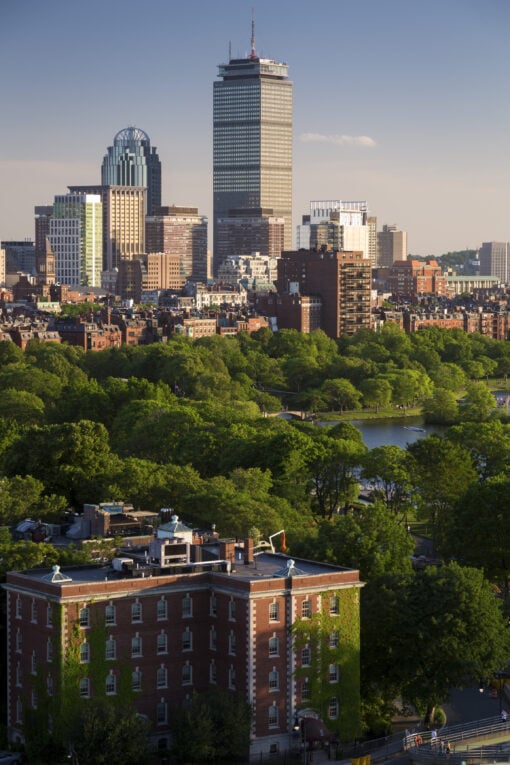
Boston’s Back Bay is one of the most luxurious tourist attraction spots in the city. It used to be a place full of swamps, and over the years it transformed into residential Victorian houses and mansions, as well as shopping malls.
The Chaotic Muddy Beginning
Picture this: the early 1800s, with Boston’s Back Bay as nothing more than a swampy expanse of tidal flats. Not exactly the ideal setting for today’s chic boutiques and Victorian brownstones, right? But that all changed when visionaries saw potential in these soggy grounds.
The Grand Plan
By the mid-19th century, Boston was growing rapidly, and the need for more space was real. Enter the ambitious public works project that would redefine the cityscape. The idea was simple yet bold: fill in the tidal flats to create new land. Starting in 1857, a massive project began to transport gravel by train from nearby Needham, Massachusetts, to fill the muddy area.
Engineering Marvels
This wasn’t just any fill-in-the-blank kind of project—it was an engineering marvel of its time. Over the next few decades, workers (including many Irish immigrants) toiled tirelessly, moving around 3,000 trainloads of gravel per day. Talk about dedication!
Designing the Dream
Once the land was ready, city planners got to work designing what would become one of Boston’s most stylish neighborhoods. They laid out wide, tree-lined streets in a grid pattern, a stark contrast to the winding, narrow paths of older Boston areas. The architecture? Think Victorian-era elegance with brownstones that still turn heads today.
From Swamp to Swank
By the late 19th century, Back Bay had blossomed into a fashionable residential district. It’s a blend of the old and new, where historic charm meets modern luxury.
The Beauty of Commonwealth Avenue Mall
It’s called a ‘mall’ because back in the 1800s, the word just referred to a long, tree-lined pedestrian walkway for strolling, not a place with stores.
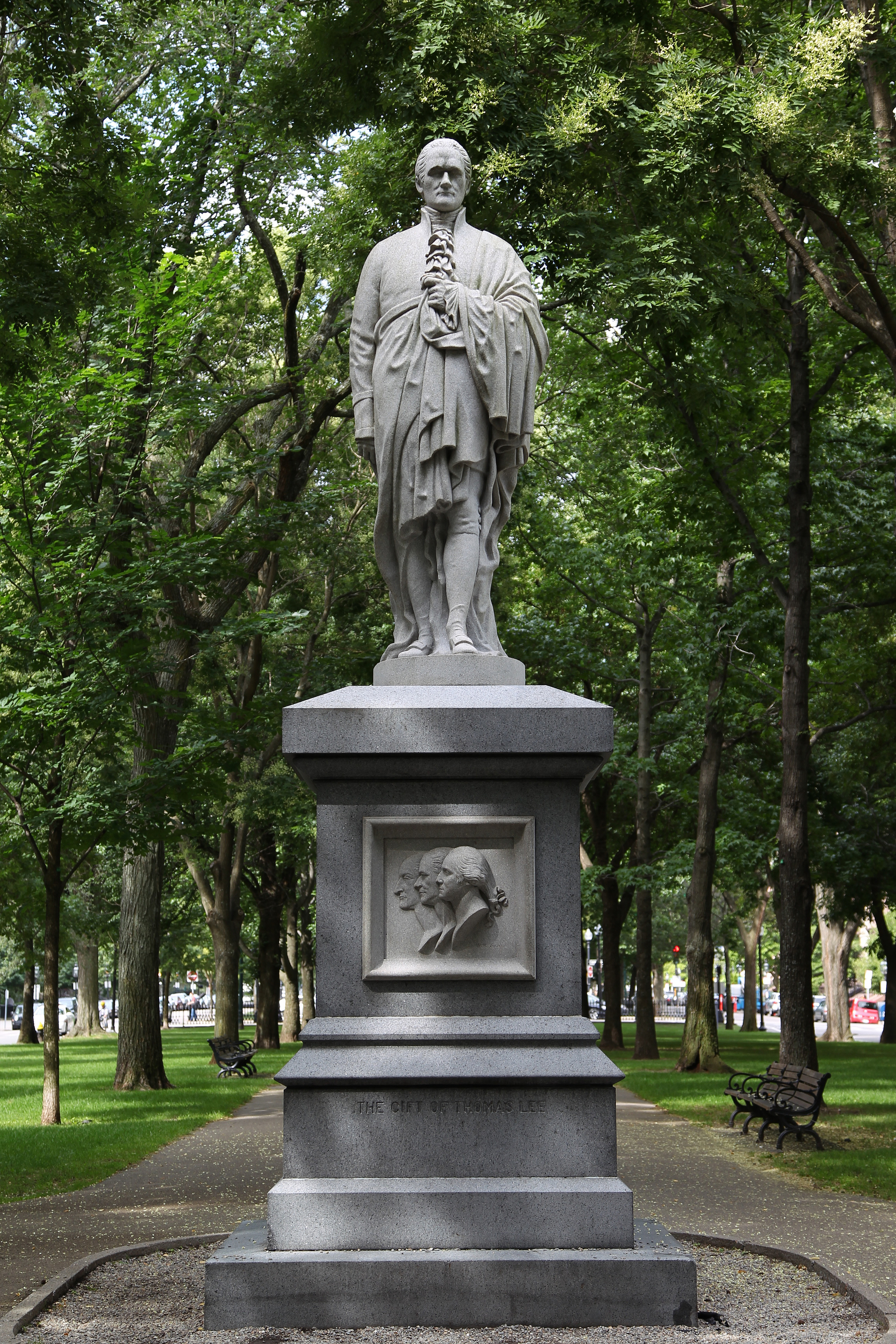
Imagine walking down a broad, tree-lined promenade where statues peek out from behind leafy canopies, and the air is filled with the gentle rustle of leaves. This is Commonwealth Avenue Mall, a serene oasis amidst Boston’s bustling energy. The Mall stretches for over a mile, offering a peaceful escape with its beautifully maintained gardens and public art installations. Whether you’re a local or just visiting, it’s a slice of tranquility that’s hard to resist.
As you wander, take a moment to admire the statues that punctuate the path. Each one tells a story, linking past to present and adding a layer of cultural richness to your walk. It’s no wonder this spot is beloved by joggers, dog walkers, and casual strollers alike.
Victorian Vibes on Beacon and Marlborough Streets
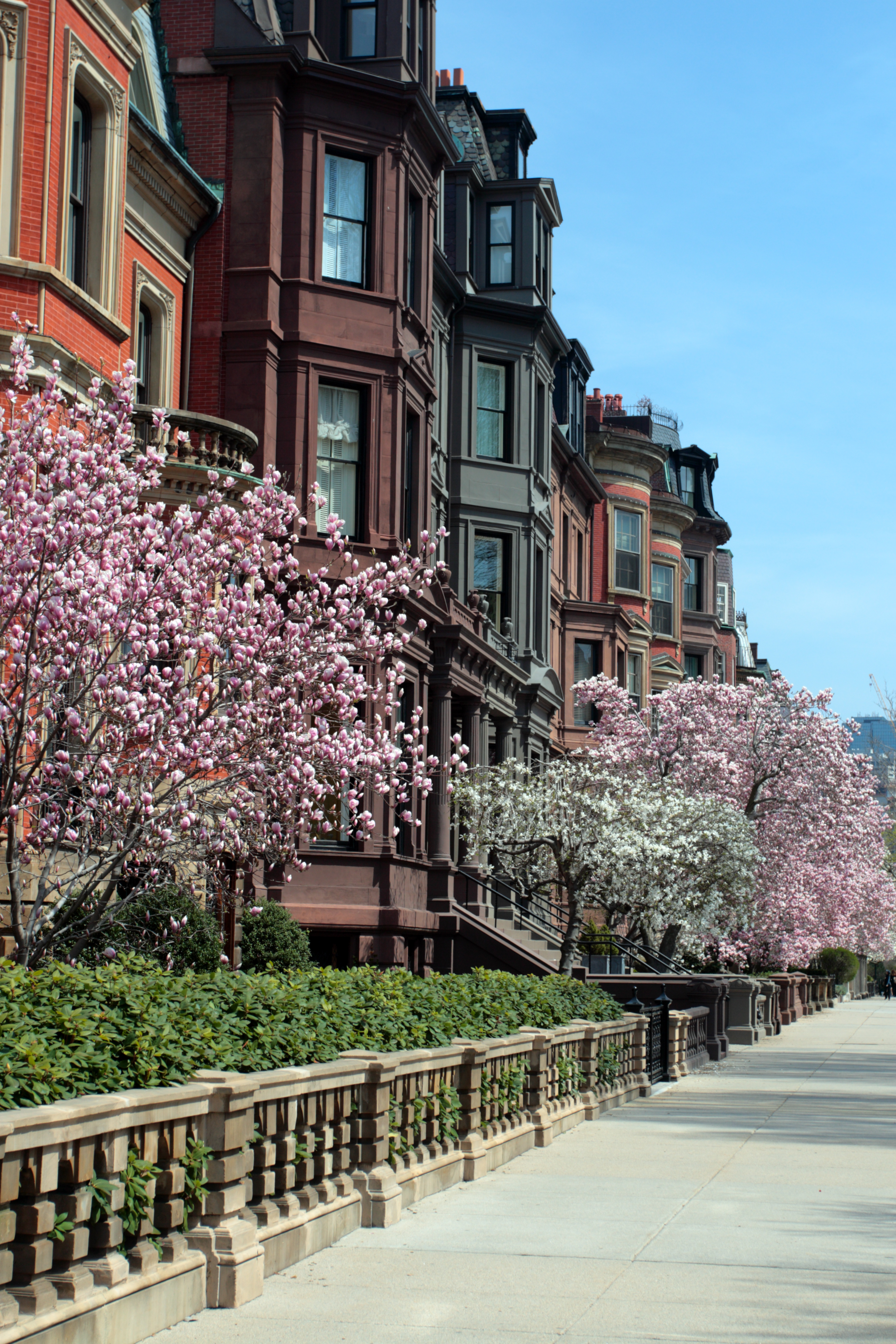
Just a block over, Beacon Street offers another perspective on Back Bay’s famous Victorian architecture. The brownstones here are eye-catching with their intricate facades and historic charm. It’s easy to imagine a different era as you walk past these beautifully preserved homes.
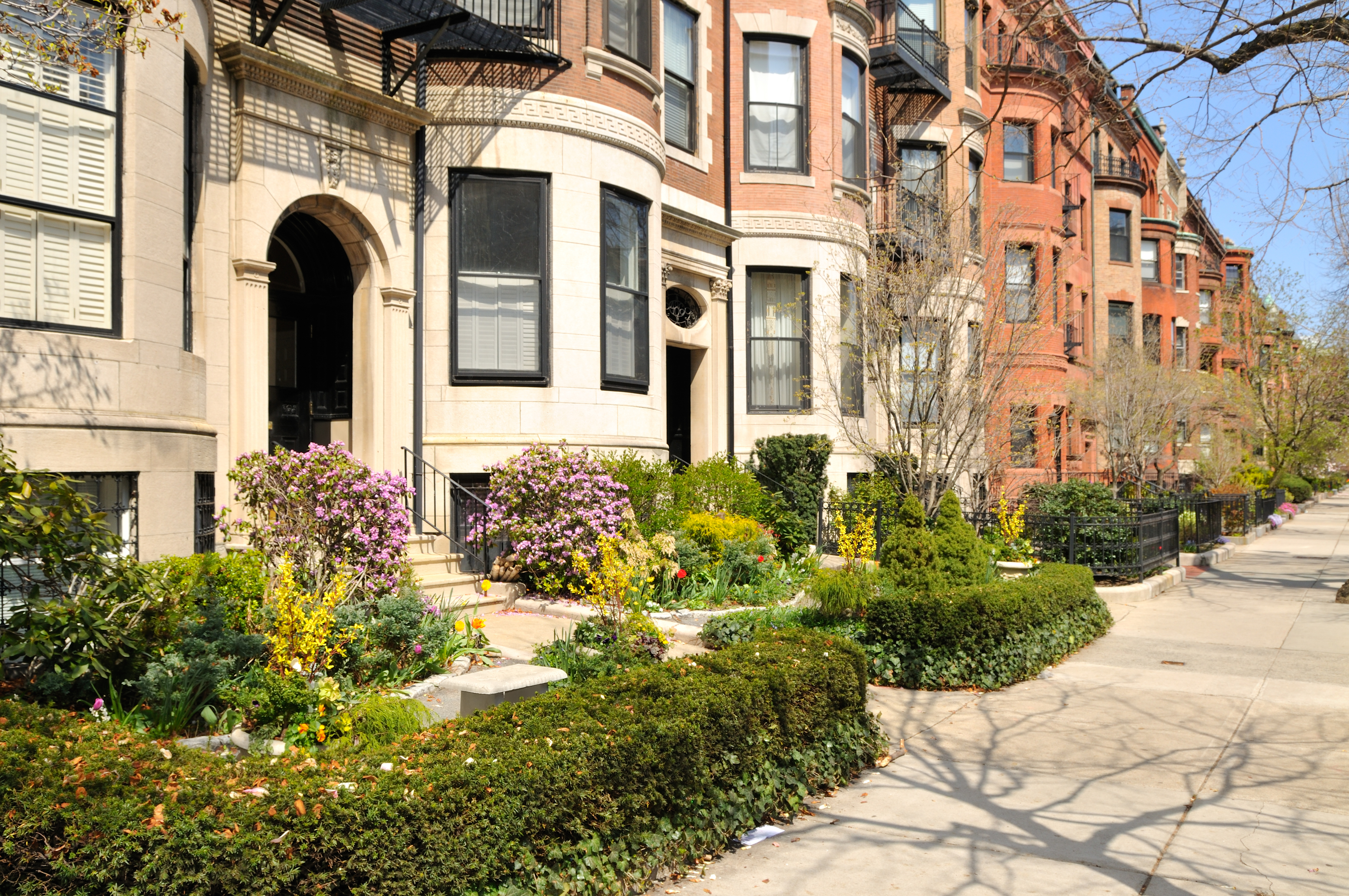
Parallel to Beacon, Marlborough Street is equally enchanting. Known for its elegant and quiet residential feel, Marlborough offers a slightly more intimate glimpse into Boston’s architectural past. The street is lined with picturesque townhouses and lush gardens, making it perfect for a leisurely wander.
Exploring Newbury Street
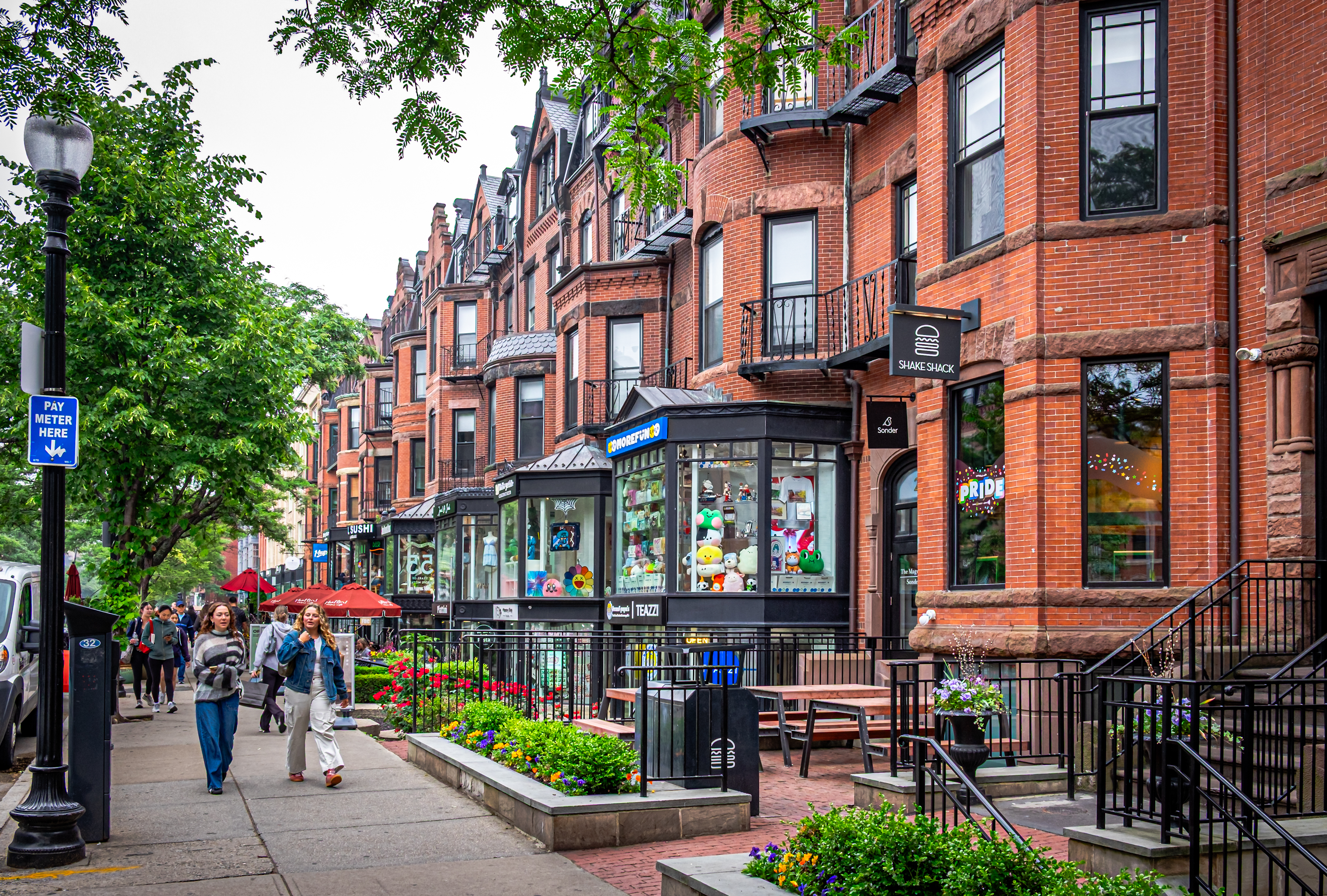
Newbury Street, nestled in the heart of Boston’s Back Bay, is a dynamic destination that exemplifies the city’s blend of historic charm and modern allure. Known for its exclusive boutiques, diverse dining options, and vibrant cultural scene, Newbury Street offers something for everyone.
A Historical Perspective
Originally created in the mid-19th century during the development of the Back Bay area, Newbury Street has evolved from a residential haven to a bustling commercial and cultural hub. The street is lined with Victorian brownstone buildings, which provide a beautiful architectural backdrop and a glimpse into Boston’s rich history.
Shopping and Retail Opportunities
Newbury Street is renowned for its shopping experience, offering a variety of retail options to suit all tastes and budgets. From high-end designer boutiques such as Chanel and Burberry to unique local shops and art galleries, the street is a shopper’s paradise. It’s the perfect place to find rare items or indulge in a bit of luxury retail therapy.
Culinary Delights
The dining scene on Newbury Street is equally impressive, featuring an array of restaurants and cafes that offer a global culinary journey. Whether you’re in the mood for gourmet dining, casual brunch spots, or artisanal coffee shops, you’ll find a plethora of choices. Popular establishments like Stephanie’s on Newbury offer classic American fare, while the Trident Booksellers & Cafe provides a cozy spot to enjoy a meal with a good read.
Cultural and Artistic Vibes
Art enthusiasts will appreciate the galleries and cultural institutions scattered along Newbury Street. These venues often showcase local artists and host events that contribute to the street’s vibrant atmosphere. The mix of contemporary and classical art makes it an enriching cultural experience.
Seasonal Attractions and Events
Throughout the year, Newbury Street hosts various events, from fashion shows to street festivals, that add to its vibrant community feel. These events are excellent opportunities to experience the local culture and engage with Boston’s artistic community. Newbury Street stands as a testament to Boston’s ability to balance history with modernity.
Exploring Copley Square
Nestled in the heart of Boston, Copley Square is a vibrant testament to the city’s rich history and dynamic present. Originally known as Art Square, Copley Square was renamed in 1883 to honor the renowned American painter, John Singleton Copley. Today, it stands as a key intersection of Boston’s cultural and historical narrative.
Architectural Marvels
Copley Square is flanked by impressive buildings that showcase diverse architectural styles:
-
-
- Trinity Church: Designed by architect H.H. Richardson in the Romanesque Revival style, this church is a masterpiece of art and architecture. Its stunning stained-glass windows and intricate stone carvings make it a must-see.
- Boston Public Library: Established in 1848, the library’s McKim Building at Copley is a Beaux-Arts marvel. It houses millions of volumes and features magnificent murals by renowned artists.
- John Hancock Tower: Boston’s tallest building, this sleek, glass skyscraper provides a modern contrast to the historic structures around it. Designed by Henry N. Cobb, the building reflects the surrounding skyline in its mirror-like surface.
-
Cultural and Social Hub
Copley Square is more than just an architectural showcase; it is a thriving cultural nexus. It hosts numerous events throughout the year, including the Boston Marathon’s finish line, bringing together communities in celebration and remembrance.
Green Spaces and Public Art
The square itself is designed as a welcoming green space, featuring well-maintained lawns and striking public art installations. The Tortoise and the Hare sculpture commemorates the Boston Marathon and adds a whimsical touch to the square’s ambiance.
Architectural Marvel of the Boston Public Library (McKim Building)
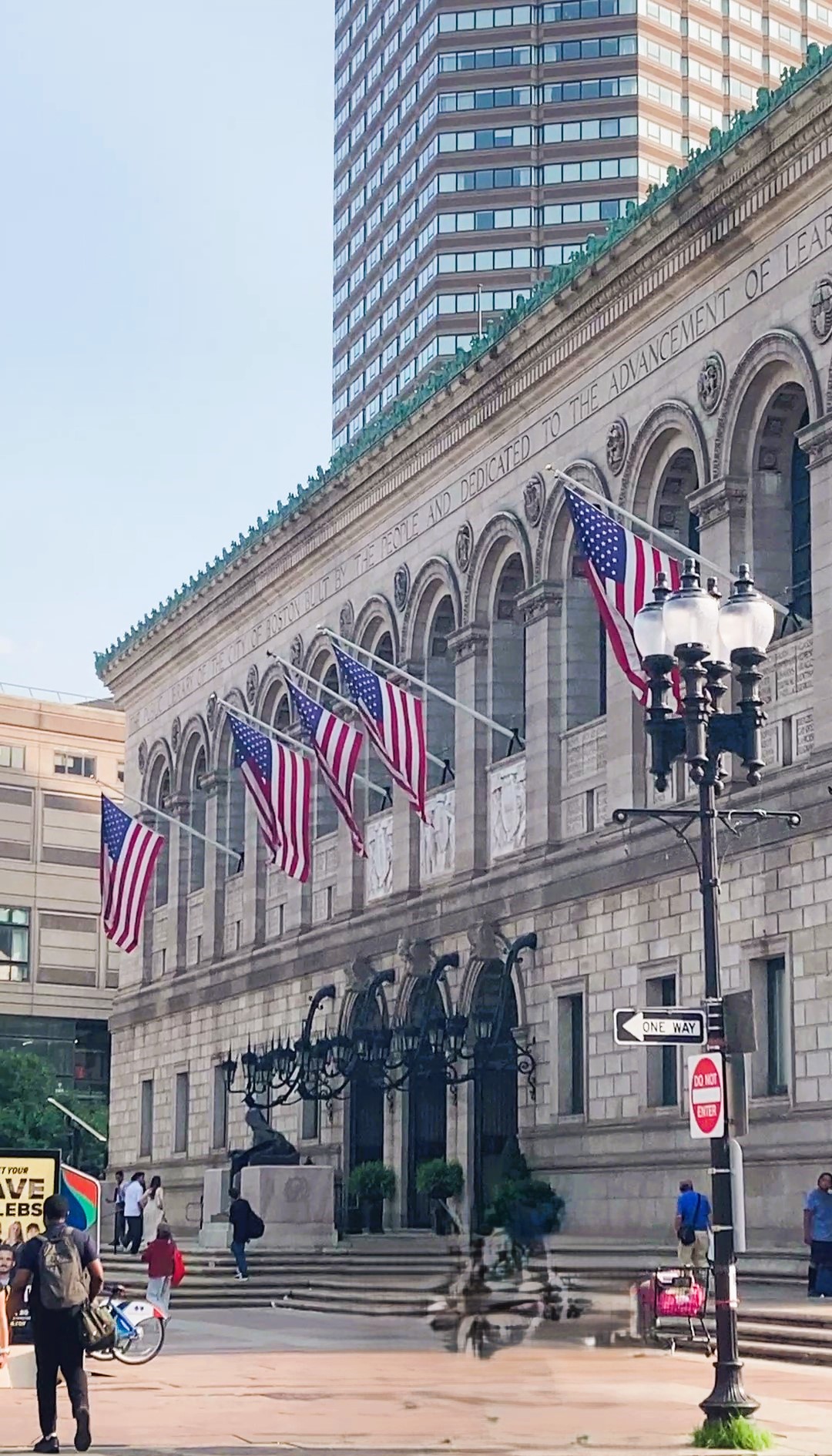
Designed by the esteemed architect Charles Follen McKim of the renowned firm McKim, Mead & White, this building has been celebrated as a masterpiece since its opening in 1895. It became the first large, free municipal library in the United States.
Architectural Grandeur
The McKim Building is an exemplary illustration of the Beaux-Arts architectural style, characterized by its grandeur and classical details. The exterior of the building is crafted from Milford granite, lending an air of permanence and elegance. Its façade is adorned with intricate carvings, symbolizing the library’s commitment to education and enlightenment.
One of the most striking features of the McKim Building is its grand entrance, which leads into the magnificent Bates Hall. This reading room is renowned for its vaulted, coffered ceiling and graceful arched windows, providing a serene ambiance for visitors.
Cultural and Artistic Significance
Beyond its architectural allure, the McKim Building is a cultural treasure trove. The library houses an extensive collection of rare books and manuscripts, including first editions and historical documents. The building itself is a work of art, featuring murals by prominent artists such as John Singer Sargent, whose “Triumph of Religion” series graces the Special Collections Hall.
The library’s commitment to making art accessible to the public is embodied in the Sargent Gallery, where visitors can admire these murals up close. This dedication to art and culture makes the McKim Building not just a library, but a cultural beacon in Boston.
Trinity Church: A Historical Gem
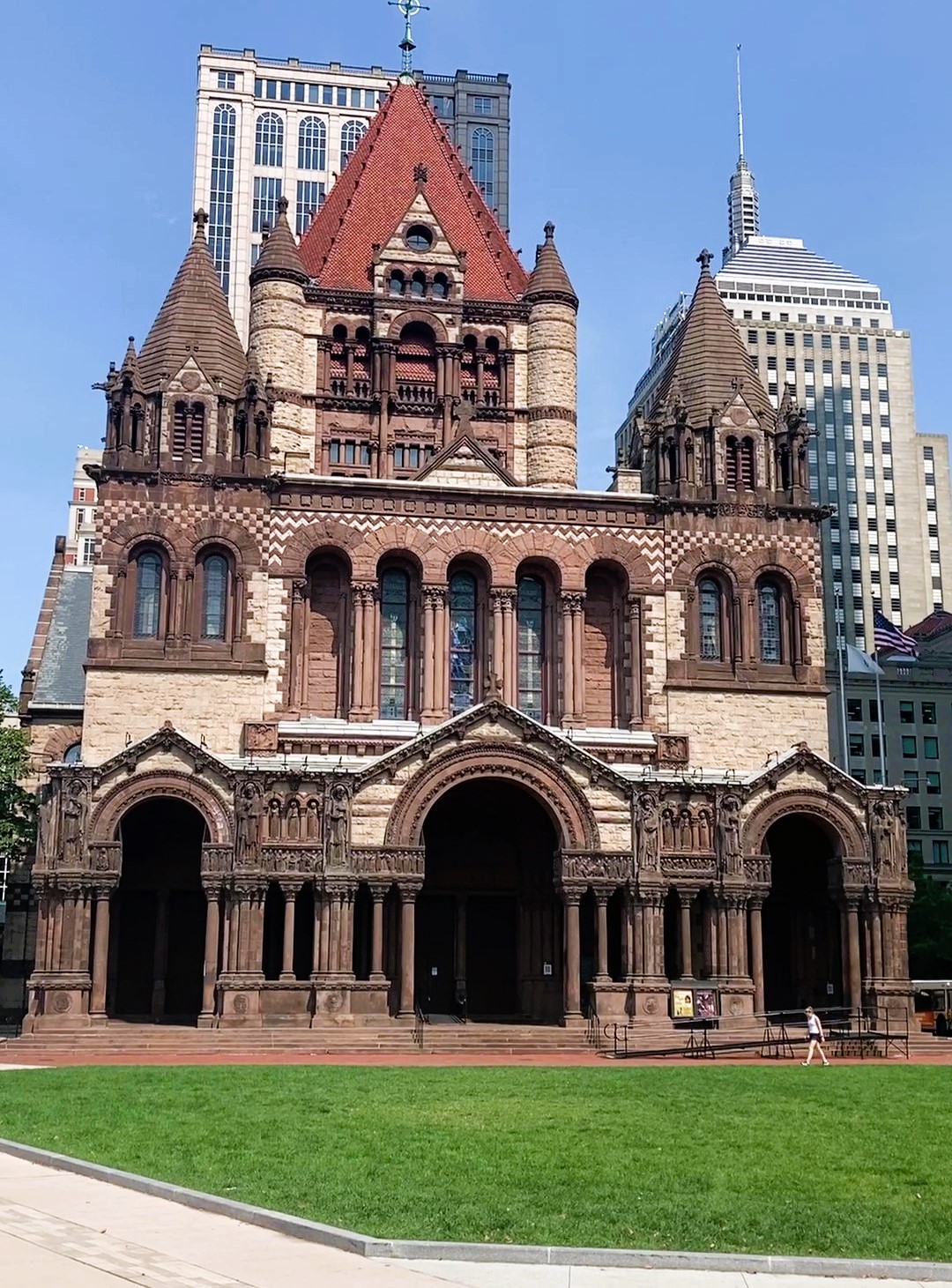
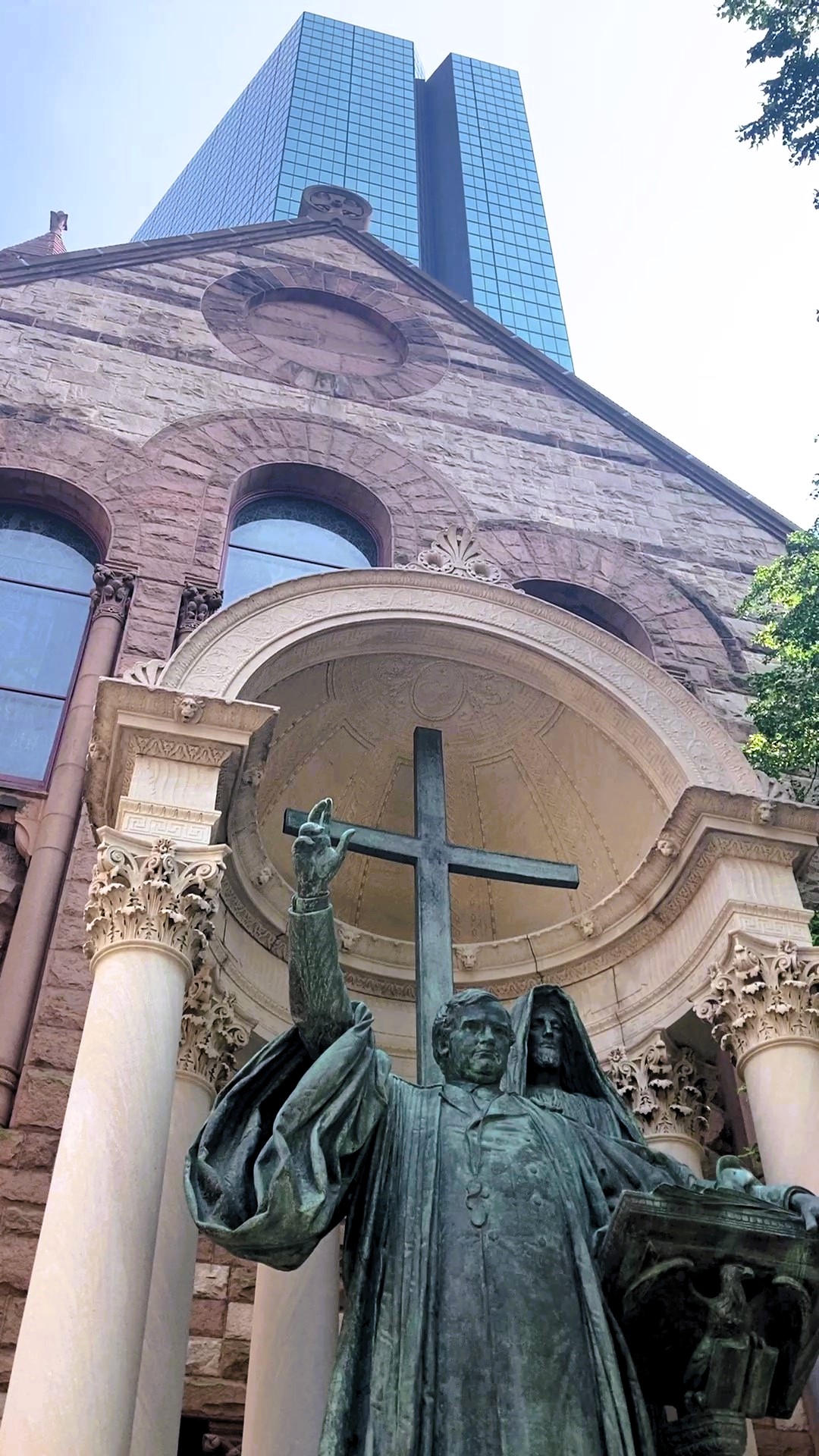
Trinity Church, located in Copley Square, is an exemplar of the Richardsonian Romanesque style. Designed by architect Henry Hobson Richardson and completed in 1877, it stands as a testament to Boston’s rich architectural heritage. The church is renowned for its stunning polychromatic facade, intricately decorated interior, and exquisite stained-glass windows. Its design was revolutionary for its time, influencing the architectural landscape across the United States.
The John Hancock Tower: A Modern Marvel
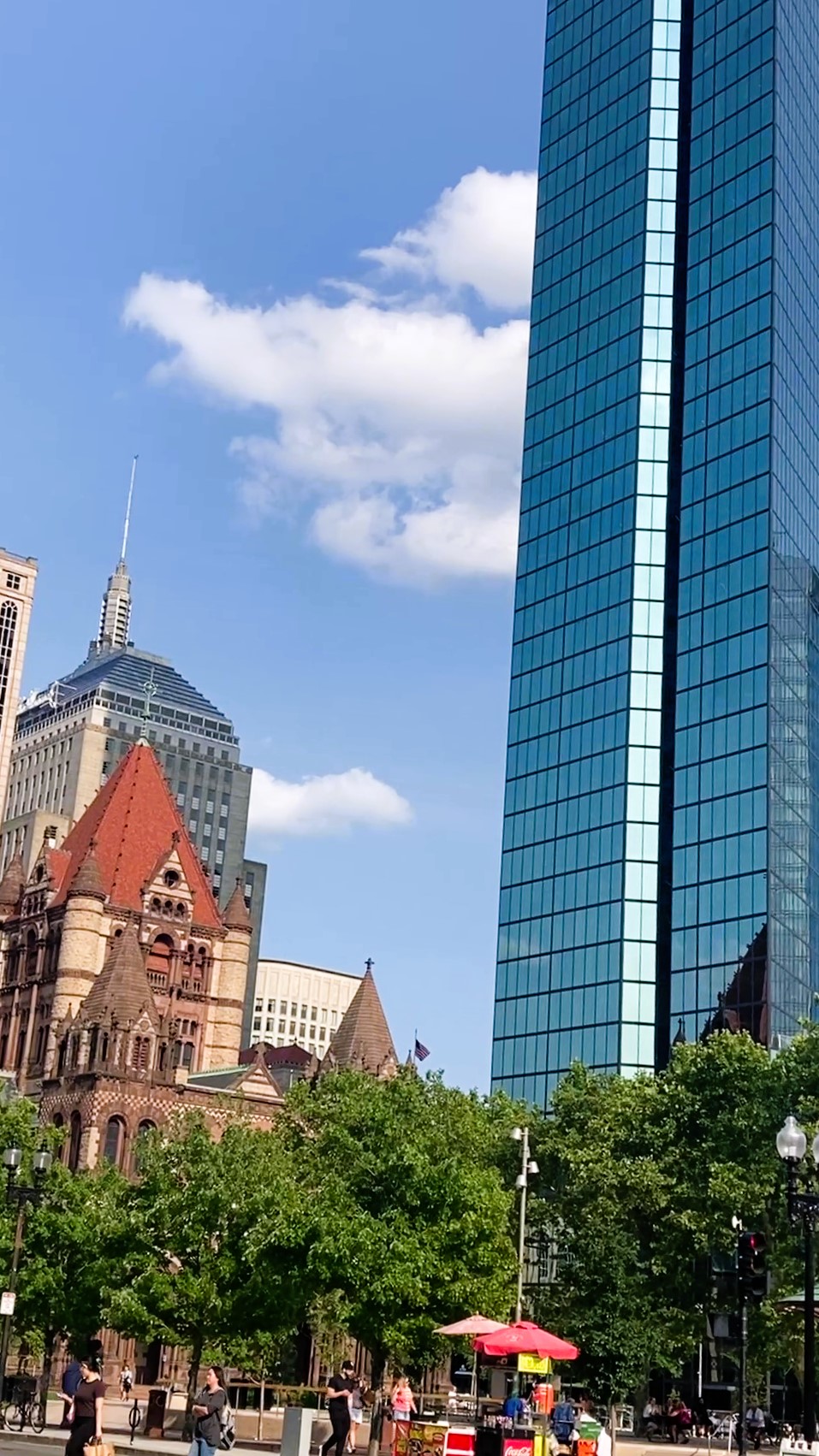
In stark contrast, the John Hancock Tower, officially known as 200 Clarendon Street, is an embodiment of modernist architecture. Designed by Henry N. Cobb of I.M. Pei & Partners and completed in 1976, the tower is the tallest building in New England. Its minimalist, reflective glass exterior merges with the sky, offering a sleek counterpoint to Trinity Church’s ornate stonework. The tower’s design emphasizes simplicity and functionality, with its structure disappearing into the city skyline.
A Relationship of Contrast and Reflection
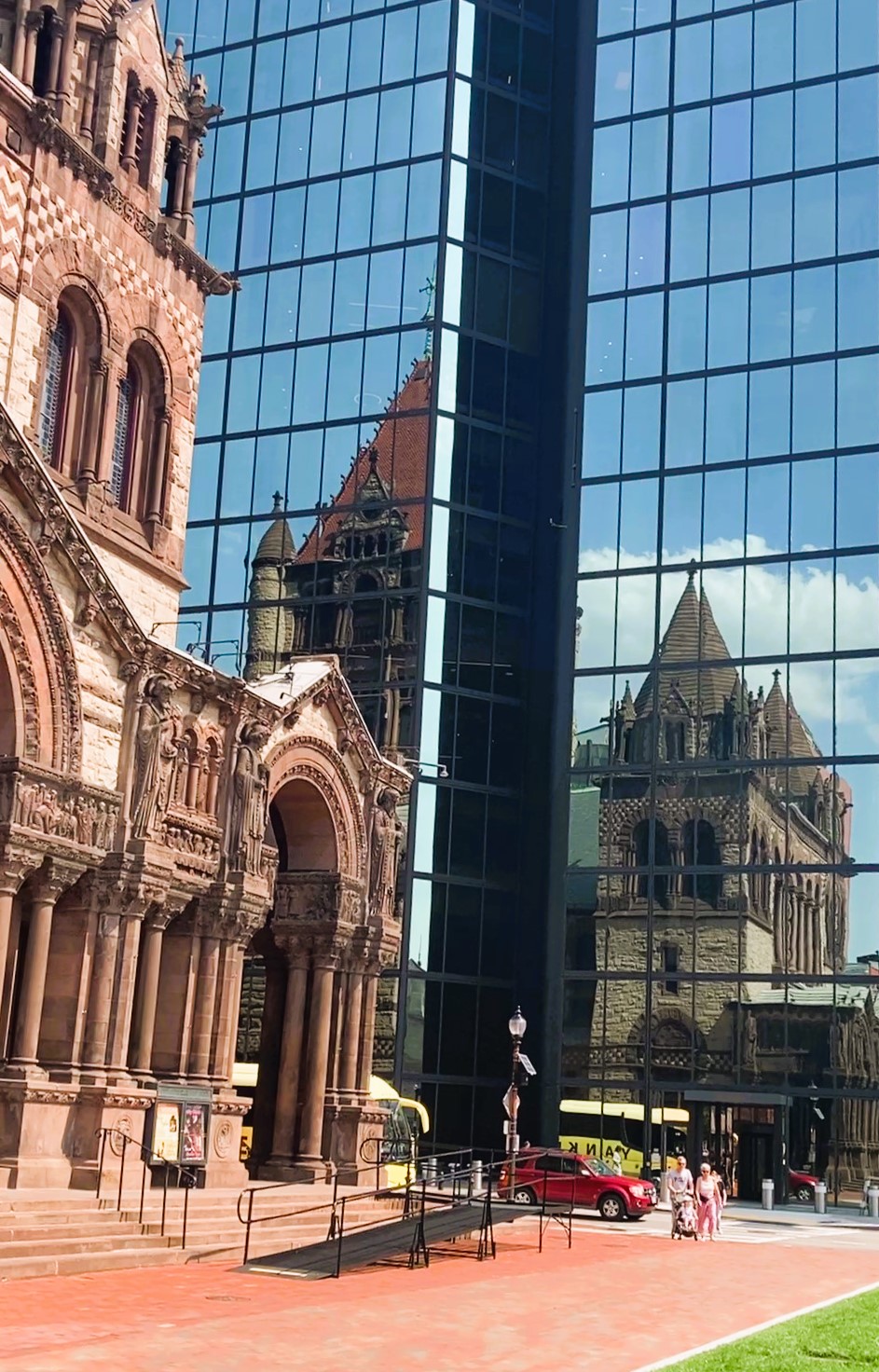
While these two structures differ vastly in style and era, their relationship is symbiotic. The tower’s reflective glass panels mirror Trinity Church, creating a visual dialogue between past and present. This interplay highlights the evolution of architectural styles and underscores Boston’s ability to honor its heritage while embracing modernity.
Architectural and Cultural Significance
The juxtaposition of Trinity Church and the John Hancock Tower is more than just a visual phenomenon; it reflects a broader cultural narrative. Together, they symbolize Boston’s journey through time, from its historical roots to its role as a modern metropolis. This relationship invites reflection on how cities can harmoniously blend diverse architectural styles, creating a dynamic urban landscape that respects history while looking to the future. It exemplifies how old and new can coexist, each enhancing the other’s presence.
The Boston Marathon
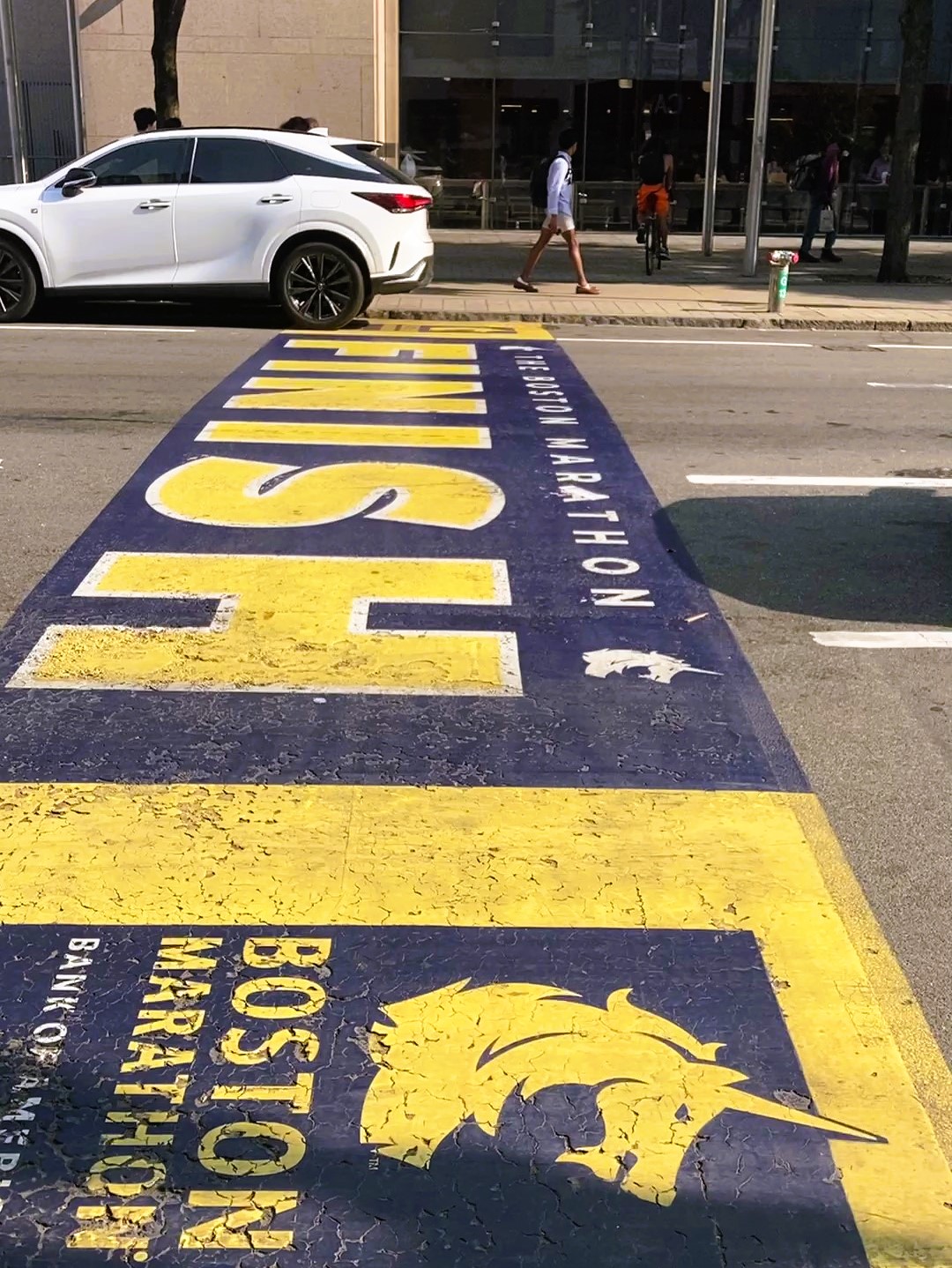
The Boston Marathon finish line is not just a strip of paint on Boylston Street; it is a symbol of endurance, triumph, and history. Known as one of the most prestigious marathons in the world, the Boston Marathon attracts runners and spectators from across the globe each year, eager to witness the momentous finish line.
Historical Significance
Established in 1897, the Boston Marathon is the oldest annual marathon in the world. Its finish line has seen countless moments of human achievement and perseverance. From the first female participant, Kathrine Switzer, in 1967 to the emotional triumphs and tragedies that have unfolded over the years, the finish line holds a profound place in running history.
Location and Design
Situated on Boylston Street in Boston’s Back Bay neighborhood, the finish line is unmistakable, marked by its vibrant blue-and-yellow paint. The marathon’s route, stretching from Hopkinton to Boston, challenges runners with its notorious hills, making the sight of the finish line even more rewarding.
Cultural Impact
Each April, the finish line becomes a focal point of global attention. It is not only a physical destination but a cultural event, embodying the spirit of competition and community. People from various backgrounds unite to support runners, celebrate achievements, and remember past races.
Memorable Moments
The Boston Marathon finish line has been the backdrop for numerous inspiring stories. In 2014, Meb Keflezighi became the first American man to win the race since 1983. The event also witnessed a poignant moment in 2013 when it became the scene of a tragic bombing, leading to an outpouring of resilience and unity symbolized by the phrase “Boston Strong.”
Prudential Tower: A Beacon in Boston’s Skyline
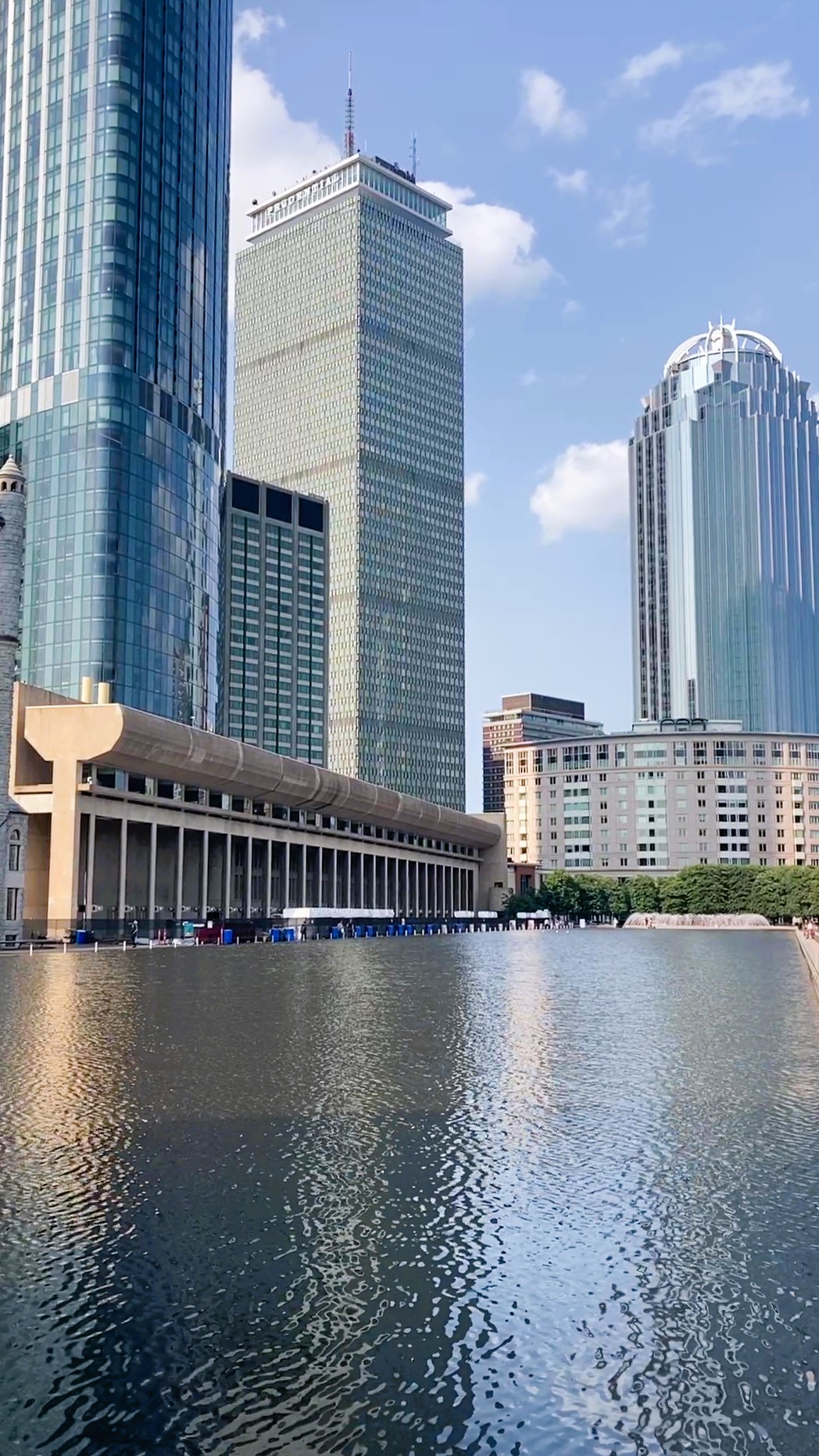
Completed in 1964, the Prudential Tower is a prominent feature of the Boston skyline. Standing at 749 feet, it was once the tallest building in the city. Designed by the architectural firm Charles Luckman Associates, the tower is renowned for its sleek, modernist design.
The observation deck, known as the Skywalk Observatory, offers panoramic views of Boston and beyond, providing visitors with a unique perspective on the city’s layout and landmarks. This feature makes the tower not only a business hub but also a major tourist attraction.
Prudential Center: A Hub of Commerce and Culture
Adjacent to the tower, the Prudential Center is a vibrant mixed-use development featuring over 75 shops and restaurants. Developed by Boston Properties, the center is a testament to urban planning and economic vitality. It serves as a major shopping destination, drawing both locals and tourists with its diverse offerings.
The Center also hosts various events and exhibitions throughout the year, contributing significantly to Boston’s cultural scene. Its strategic location in the Back Bay neighborhood enhances its accessibility and appeal.
Architectural and Cultural Significance of Christian Science Plaza
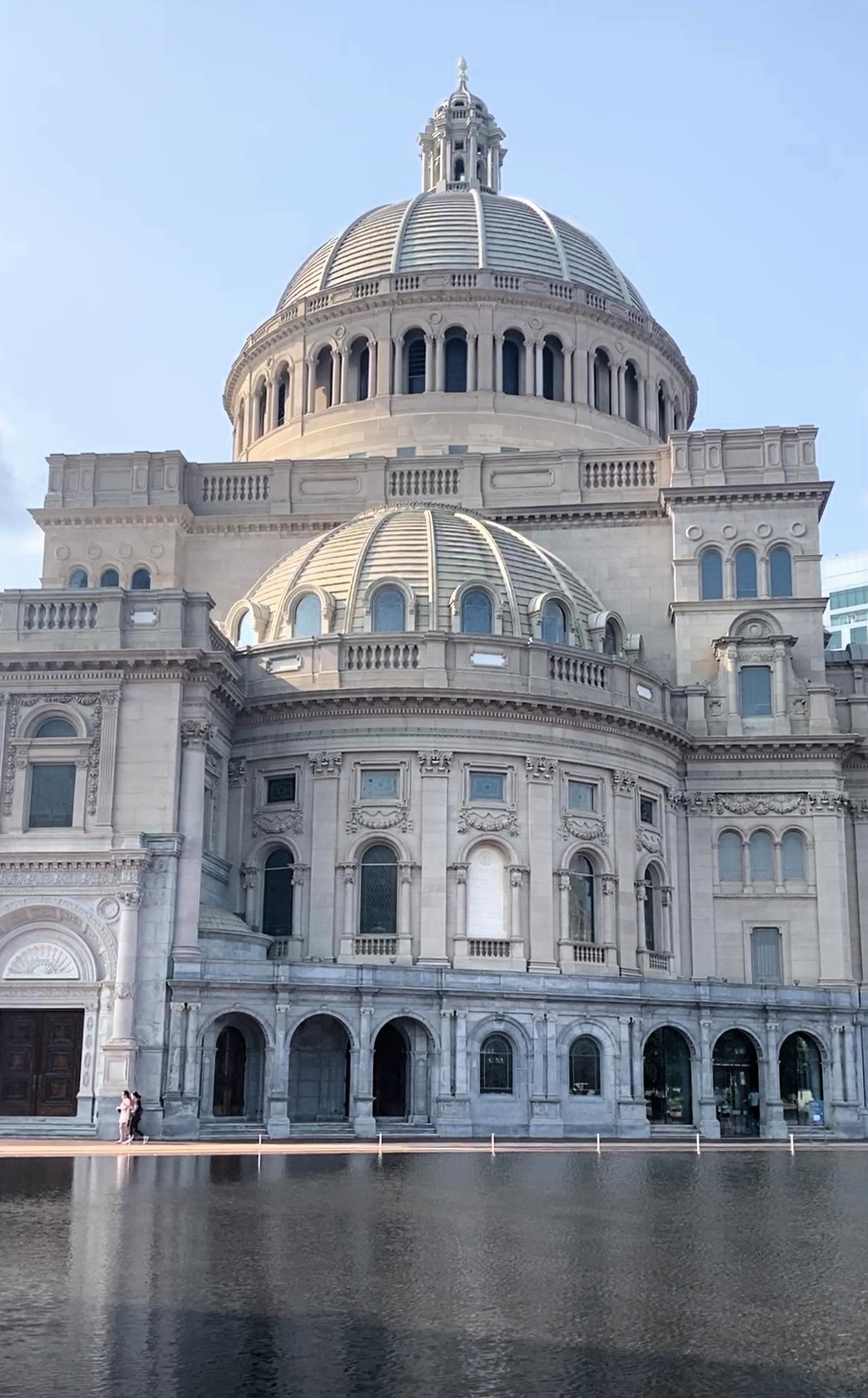
The Christian Science Plaza stands as a testament to both architectural grandeur and cultural heritage. This iconic landmark, spanning 14 acres, is not only the centerpiece of the Christian Science community but also a significant attraction for visitors and architecture enthusiasts alike.
Architectural Masterpiece
The Christian Science Plaza is renowned for its stunning architectural features, prominently designed by renowned architects I.M. Pei & Partners and Araldo Cossutta. The Plaza’s design harmoniously blends modernist architectural elements with classical touches, creating a serene yet impressive urban space.
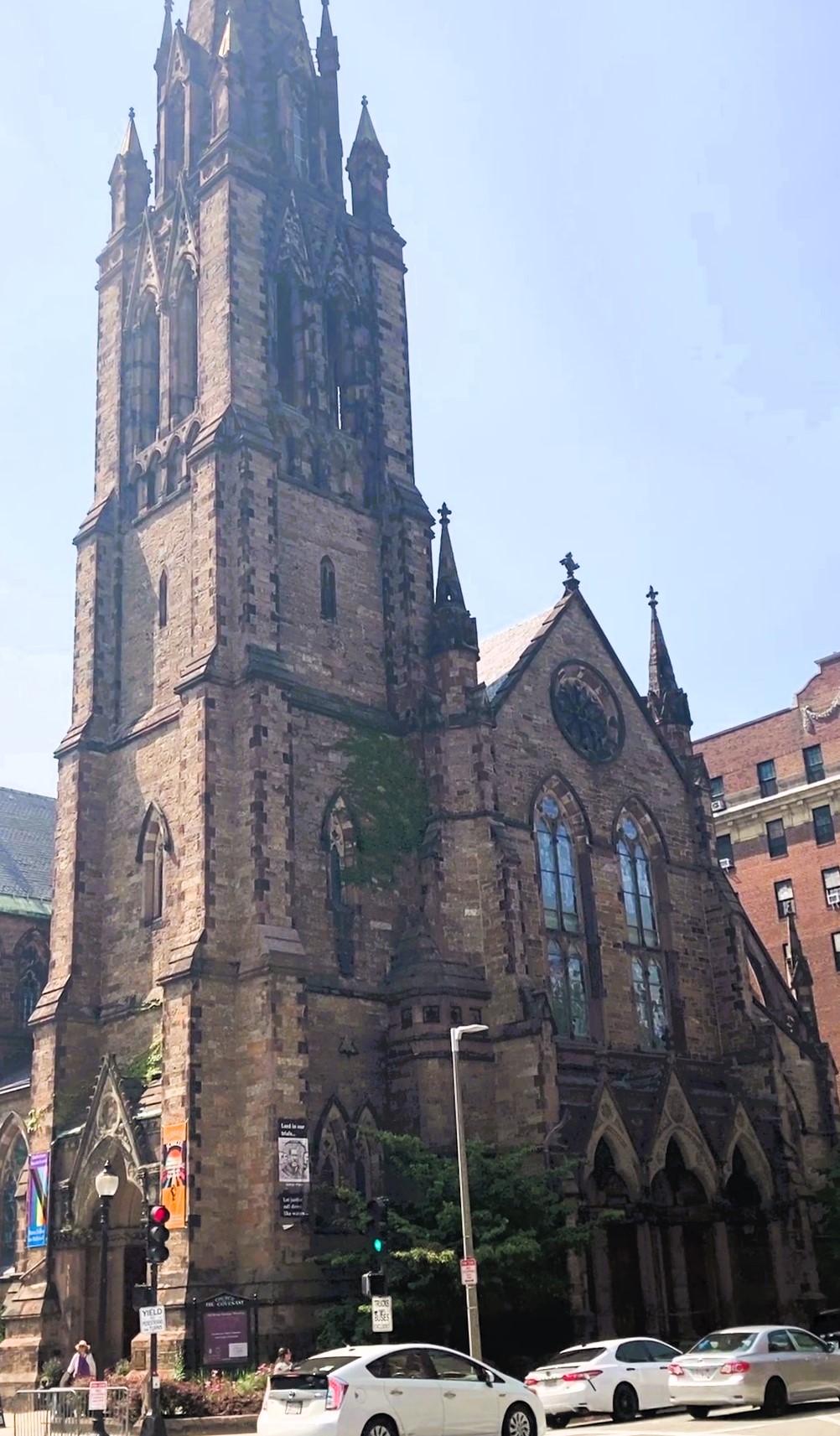
The highlight of the Plaza is undoubtedly the Mother Church, also known as The First Church of Christ, Scientist. Originally constructed in 1894 and expanded in 1906, the Church showcases a beautiful Romanesque Revival style with a grand dome and intricate stained-glass windows. It serves as the spiritual heart of the Christian Science faith and hosts regular public services.
Cultural and Spiritual Hub
Beyond its architectural allure, the Christian Science Plaza holds profound cultural and spiritual significance. It houses the Christian Science Publishing Society, which produces “The Christian Science Monitor,” an award-winning international news organization known for its balanced and insightful reporting.
The Plaza also features the Mary Baker Eddy Library, dedicated to the founder of Christian Science. The library offers a wealth of resources on Eddy’s life and teachings, along with exhibits that delve into the history and impact of the Christian Science movement.
A Space for Reflection and Community
An integral part of the Plaza’s appeal is its tranquil open spaces, including the expansive reflecting pool and lush lawns. These areas provide a peaceful retreat amidst Boston’s bustling urban environment, inviting both contemplation and community gatherings. The reflecting pool, in particular, is a popular spot for visitors looking to enjoy a moment of serenity or capture the perfect photograph.
My Favorite Back Bay Walking Route
I’ve been walking these streets for many years, and personally, I would start at the Christian Science Church.
Take the Green Line to Symphony or Northeastern University Station (Symphony Station is closed until 2009); You can also take the Orange Line to Massachusetts Ave. Station.
From there, you’ll also see the Prudential Tower, which can serve as a helpful landmark to find your way to the Prudential Shopping Mall as you make your way toward Copley Square.
From Copley Square, you can continue along either Newbury Street or Commonwealth Avenue before finishing your walk at Boston Common.
Spring and summer are definitely the best times of year for this walk. In April, you may even experience the excitement surrounding the Boston Marathon. During the warmer months, Newbury Street is full of activity, and you’ll also have a chance to see the reflecting pool at the Christian Science Plaza before it is drained for the colder season.

Leave a Reply